FILTERData & productivity
Jev for Crypto Research

ZER@zerqfer

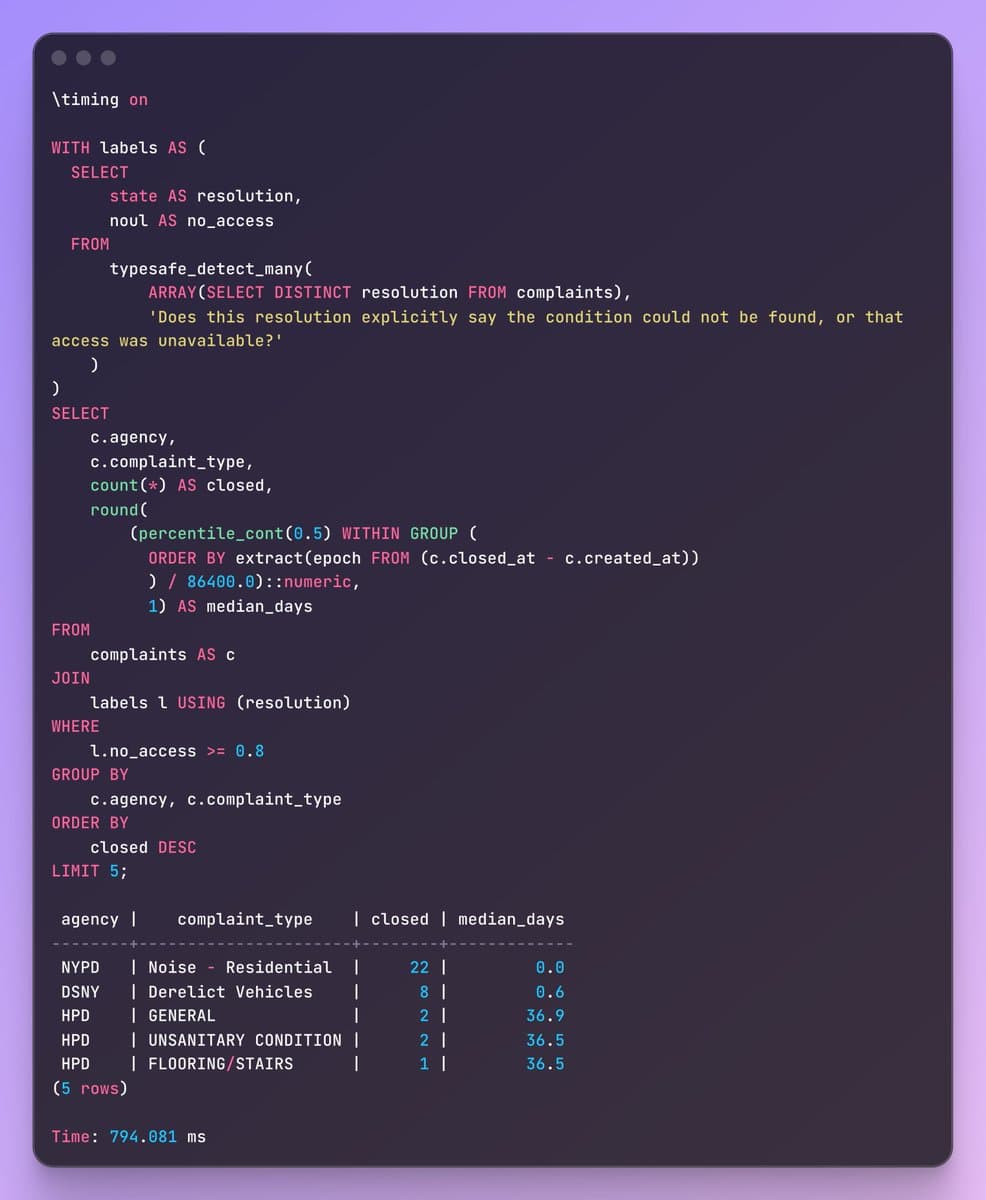
Jev is an AI tool from TypeSafe AI designed to assist in cryptocurrency research by providing typed answers with probabilities for a fixed set of questions based on input data, rather than acting as a chatbot.
how to use JEV for crypto research
Jev dropped a few days ago from TypeSafe AI, founded by ex-OpenAI Diogo Almeida. dev twitter has been all over it since
it's not a chatbot. it can't even write text
you give it data and a fixed set of questions, it gives back typed answers with probabilities:
- choice: pick one of up to 255 options
- score: rate on a scale you define
- yes/no: a probability from 0 to 1
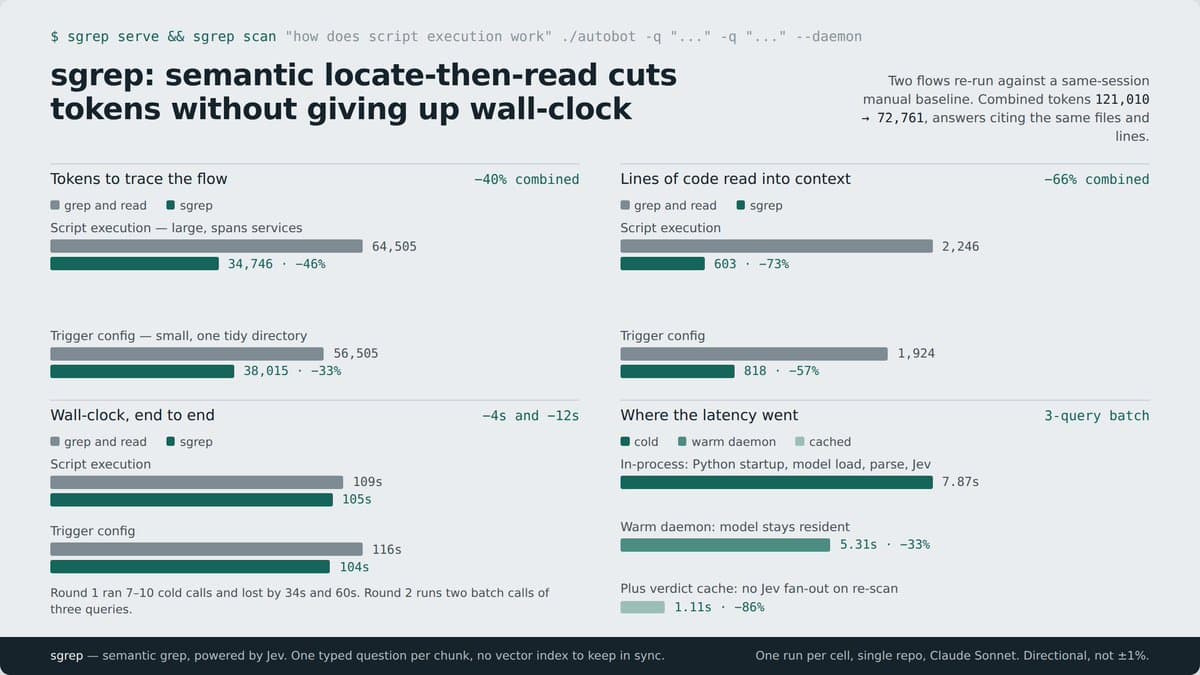
70-500ms per call. $0.042 per million input tokens, output is free
that's the whole point for us. most of meme research is making the same 5 small decisions on hundreds of tokens a day. that's exactly what Jev is built for
here's how I'd wire it in:
1. discovery
pull new pairs from GMGN or DexScreener every minute: mc, age, 5m volume, liquidity, holders, top 10 %, dev wallet history, first 20 buyers
this part is plain code, no AI needed
2. filter with Jev
instead of opening every chart, send each token's data to Jev with fixed questions:
> is the holder distribution clean? (yes/no + probability)
> which narrative is this? (choice: AI, political, animal, celeb, chain meta, other)
> how organic does the early volume look? (score 1-5)
> does the dev wallet look like a serial launcher? (yes/no)
you get calibrated confidence back, so you can set hard rules. skip anything under 0.7 on clean holders
3. social layer
pull the last 50 posts about the ticker from X and send them in as context
> is the talk coming from real accounts or a coordinated push? (choice)
> is attention growing or fading? (score)
at these prices running it on every post costs basically nothing
4. you decide
Jev doesn't trade for you. it cuts 300 tokens down to the 5 worth your time. then you open the chart, check the tape and make the call like you always did
the honest part:
- early access only, there's a waitlist and no self-hosting
- the speed and price numbers come from TypeSafe's own benchmarks, test on your own data
- "no hallucinations" means it always returns the right format, not that the answer is right
- a fast decision on bad data is still a bad decision
the main takeaway:
the edge in memes was never a smarter model. it was seeing the right token before everyone else
Jev makes the boring filtering part almost instant and almost free. the judgment is still on you
want part two with the actual script?
Related builds